Mastering Video Editing for Storytelling: A Complete Guide
Introduction
In the digital age, storytelling through video is a powerful tool for content creators, YouTubers, and video producers. Mastering video editing not only enhances your narrative but captivates your audience. This guide offers comprehensive insights and practical tips to refine your video editing skills and elevate your storytelling.
Understanding the Basics of Video Editing
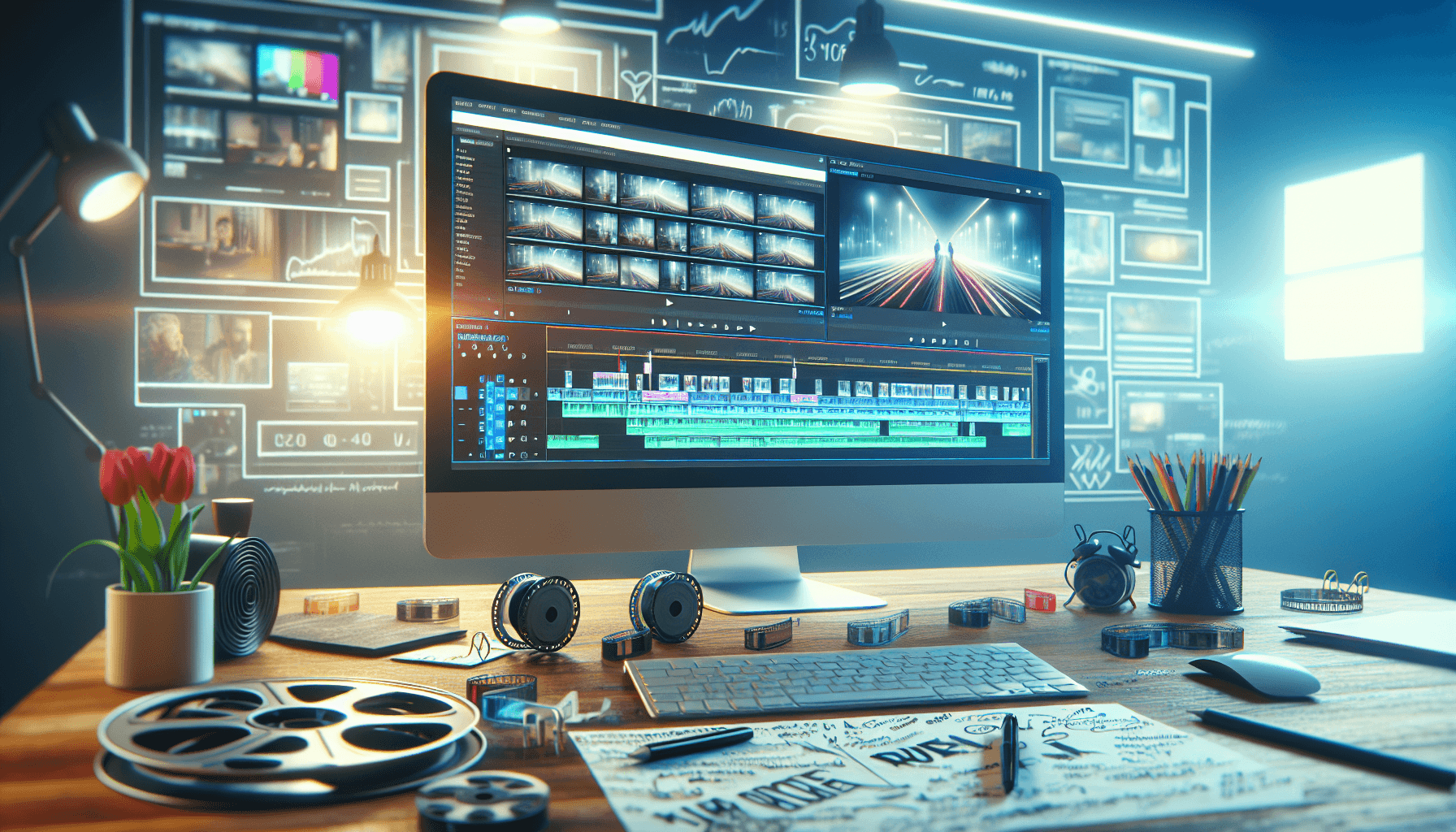
Before delving into advanced techniques, it's crucial to grasp the fundamentals. Video editing is the process of piecing together clips to form a cohesive story. Understanding the timeline, transitions, and effects are essential. Use software like Adobe Premiere Pro or Final Cut Pro for professional results. Familiarize yourself with basic tools and shortcuts to streamline your workflow.
Crafting a Compelling Narrative
Narrative is at the heart of storytelling. Start by defining your story arc. What message do you want to convey? Structure your video with a clear beginning, middle, and end. Use visual elements to support your narrative. For instance, if you're creating a travel vlog, let scenic shots drive the story progression. Consider your pacing; a well-paced video maintains viewer engagement.
💡 Looking for professional video editing services? Check out our Fiverr gig to get started today!
Enhancing Visual Appeal
Enhancing Visual Appeal
Visuals play a pivotal role in storytelling, serving as the foundation upon which the narrative is built. The use of color grading is essential to set the tone and mood of your video, transforming an ordinary scene into a visually compelling experience. For instance, a warm color palette can evoke feelings of nostalgia and comfort, while cooler tones can create a sense of tension or melancholy. Adjusting brightness, contrast, and saturation can make your video stand out, ensuring it captures the viewer's attention from the first frame to the last. These adjustments are not just technical tweaks; they are artistic decisions that can significantly impact how your audience perceives your story.
Incorporating graphics and text overlays adds another layer of engagement, providing context and clarity where needed. For example, a text overlay can highlight a key piece of dialogue or emphasize a critical plot point, guiding the viewer through the narrative. When it comes to more advanced visual elements, such as 3D animations, they can bring a new dimension to your storytelling, offering viewers an immersive experience. If you're interested in elevating your content with cutting-edge visuals, explore our 3D Product Animation services, where you'll find tools and expertise to bring your creative vision to life.
Sound Design and Music
Sound is an equally crucial component of storytelling, often working in tandem with visuals to create a cohesive and impactful narrative. Selecting the right background music is vital, as it should complement and enhance the emotional tone of your story. Whether it's a haunting melody underscoring a dramatic scene or an upbeat tune driving a montage, music has the power to influence how your audience feels and reacts.
Sound effects are another powerful tool in your audio arsenal. They add layers of realism and emotional depth, allowing viewers to become fully immersed in the world you're creating. From the subtle rustling of leaves to the dramatic crash of thunder, these auditory cues can evoke emotions and enhance the storytelling experience. Balance is key when it comes to audio levels; ensure that dialogue, music, and sound effects are mixed harmoniously to maintain clarity and prevent any element from overpowering the others.
Incorporating voiceovers can further enrich your narrative, providing additional context or guiding the viewer's understanding of the story. A well-executed voiceover can offer insight into a character's thoughts or bridge gaps in the visual narrative, making the story more accessible and engaging. By carefully considering each aspect of sound design and music, you can create a dynamic and memorable storytelling experience that resonates with your audience.
Sound is equally crucial. Choose background music that matches the tone of your story. Use sound effects to enhance realism and emotion. Always balance audio levels to ensure clarity. Consider incorporating voiceovers for added depth and context.
Quick Checklist
- [ ] Define your story arc
- [ ] Organize your footage
- [ ] Use color grading effectively
- [ ] Add appropriate music and sound effects
- [ ] Review and refine your edits
Frequently Asked Questions
What software is best for beginners?
For beginners, software like iMovie or Adobe Premiere Elements is user-friendly and offers essential features.
How can I improve my pacing?
Focus on your story's rhythm. Cut unnecessary scenes and keep transitions smooth to maintain flow.
What role does color grading play?
Color grading sets the visual tone, influencing how the audience perceives your story.
How important is sound quality?
Sound quality is critical; poor audio can detract from the viewing experience.
Can I incorporate animations?
Yes, animations add dynamic elements. Consider our Custom Logo Animation for unique branding.
Conclusion
Mastering video editing is a journey that enhances your storytelling capabilities. By applying these strategies and continuously refining your skills, you'll create captivating content that resonates with viewers. For professional assistance, explore our Video Editing Services today. Start transforming your stories and captivate your audience!
Need 3D Product Animation?
Get professional 3d product animation services on Fiverr